
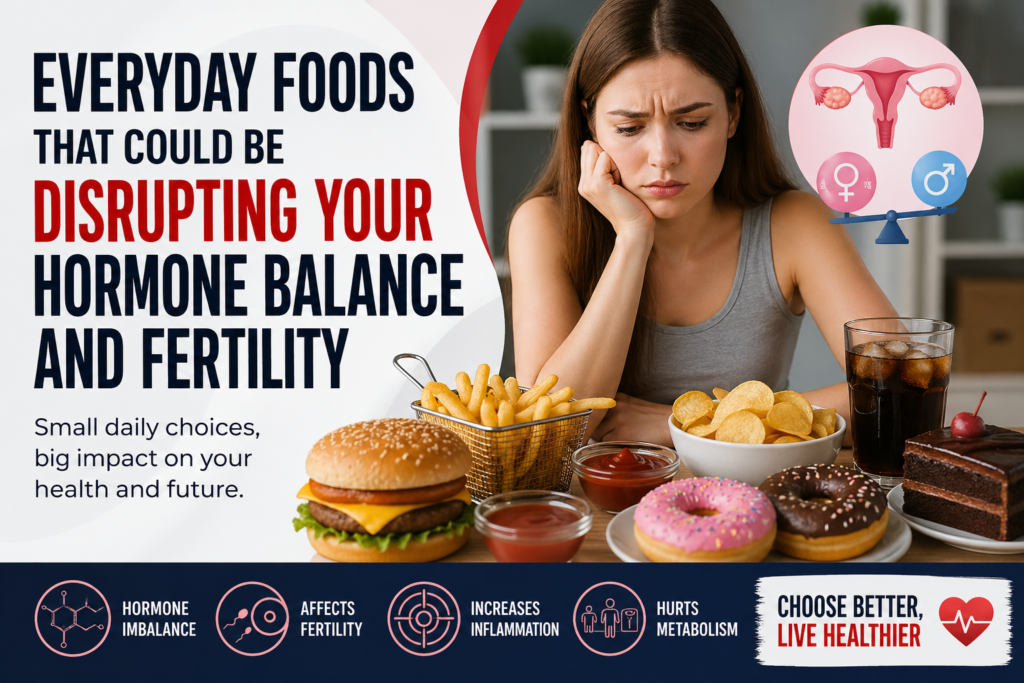
Everyday foods that could be disrupting your hormone balance and fertility are often part of daily diets, and regularly consuming them over time may contribute to hormonal imbalance and affect reproductive health.
Your diet plays a major role in overall health, including hormone balance and fertility. While many foods nourish the body and support reproductive wellness, some everyday eating habits may quietly interfere with hormone function over time.
Understanding how diet influences reproductive health is an important step toward building healthier long-term habits.
How Foods Can Affect Hormones and Fertility
Your hormones act as powerful chemical messengers that help control many essential processes in the body, including metabolism, mood, ovulation, sperm production, and reproductive cycles. When hormone balance becomes disrupted, it can affect overall reproductive wellness and fertility health.
Certain dietary habits may contribute to hormonal imbalance by increasing inflammation, placing stress on the body, or interfering with important hormones such as insulin and estrogen. Over time, these imbalances may negatively impact hormone health and fertility.
🚫 Everyday Foods That May Affect Hormone Balance and Fertility
Highly Processed Foods
Ultra-processed foods are often loaded with refined carbohydrates, unhealthy fats, artificial additives, and high amounts of sugar or sodium. Regularly consuming these foods may contribute to inflammation, blood sugar imbalance, and metabolic stress within the body.
Over time, these effects may interfere with hormone balance and potentially impact fertility health. Since hormones play an important role in reproductive wellness, a diet high in heavily processed foods may make it harder for the body to maintain healthy hormonal function.
Sugary Foods and Sweetened Drinks
Foods and drinks high in added sugars may cause rapid spikes in blood sugar and insulin levels. Over time, frequent blood sugar fluctuations can contribute to insulin resistance, which may disrupt hormone balance and affect reproductive health.
Excess sugar intake has also been linked to increased inflammation in the body, which may negatively influence hormones and fertility health when consumed regularly in large amounts.
Deep-Fried and Trans Fat Foods
Deep-fried foods and foods containing trans fats may increase inflammation and oxidative stress in the body. These unhealthy fats can interfere with normal hormone function and may negatively affect reproductive wellness over time.
Regular consumption of heavily fried and processed fatty foods may also contribute to poor metabolic health, which can impact hormone balance and fertility health in both men and women.
Excessive Processed Meats
Processed meats such as sausages, hot dogs, and heavily preserved deli meats may contain additives, preservatives, and high levels of sodium that could affect overall health when consumed frequently.
Some studies suggest that regularly eating large amounts of processed meats may be linked to inflammation and reduced reproductive wellness, potentially impacting hormone balance and fertility health over time.
Excess Alcohol Consumption
Excessive alcohol intake may interfere with the body’s natural hormone production and reproductive function. Over time, heavy drinking can affect hormone balance, which may influence fertility health in both men and women.
Alcohol may also increase inflammation and place additional stress on the liver, an organ that plays an important role in hormone regulation and overall reproductive wellness.
Excess Caffeine Intake
While moderate caffeine consumption is generally considered safe for most people, excessive intake may affect stress hormones and sleep quality. Poor sleep and elevated stress levels can influence hormone balance and overall reproductive health.
Consistently consuming large amounts of highly caffeinated drinks may also contribute to hormonal disruption in some individuals, potentially impacting fertility health over time.
Building a Fertility-Friendly Diet
Supporting hormone balance and fertility health is not only about avoiding certain foods, but also about consistently choosing nutrient-rich options that nourish the body.
A fertility-friendly diet may include plenty of fruits and vegetables rich in antioxidants, healthy fats from sources like nuts, seeds, and fish, whole grains for steady energy, and lean proteins to support overall reproductive wellness.
These foods can help reduce inflammation, support hormone regulation, and promote better fertility nutrition over time.
Lifestyle Habits That Support Hormone Balance
Beyond diet, everyday lifestyle choices play a major role in maintaining healthy hormones and fertility. Poor sleep, chronic stress, and lack of physical activity can all contribute to hormonal imbalance over time.
Key habits that support hormone health:
- Getting quality sleep
- Managing stress
- Regular physical activity
- Maintaining a balanced diet
Practical Steps to Support Hormone Balance
Making small, consistent changes to your diet and lifestyle can help support better hormone function over time. You don’t need to completely eliminate all foods at once, focus on balance and gradual improvement.
Start by:
- Reducing intake of heavily processed and sugary foods
- Choosing whole, natural foods more often
- Drinking enough water daily
- Eating balanced meals with protein, fiber, and healthy fats
Simple Daily Food Swaps
Instead of completely avoiding foods, you can make smarter swaps:
- Sugary drinks → Water, herbal tea, or natural fruit-infused water
- Fried snacks → Roasted nuts or boiled foods
- Processed meats → Fresh fish, eggs, or lean chicken
- White bread → Whole grain or fiber-rich alternatives
These small changes can support better longterm hormone and fertility health.
Final Thought
Hormone balance is influenced by many factors, but diet remains one of the most powerful. The foods you eat daily can either support or disrupt your body’s natural hormonal function over time. Regularly consuming highly processed foods, excess sugar, and unhealthy fats may increase inflammation and place stress on the body, potentially affecting reproductive wellness.
On the other hand, choosing more nutrient-rich foods such as fruits, vegetables, whole grains, healthy fats, and lean proteins can help support hormone regulation and overall fertility health. Small, consistent lifestyle habits like eating balanced meals, managing stress, staying active, and getting quality sleep may also contribute to better hormonal balance.
Rather than focusing on quick fixes, building healthier daily habits over time can create a stronger foundation for long-term reproductive wellness and overall health.
Frequently Asked Questions (FAQ)
Can diet affect hormone balance?
Yes. Diet plays a key role in hormone function by influencing inflammation, blood sugar levels, and overall metabolic health.
Which foods may negatively affect hormones?
Highly processed foods, sugary drinks, deep-fried foods, processed meats, and excessive alcohol intake may negatively affect hormone balance when consumed in excess.
Can processed foods affect fertility?
Some studies suggest that diets high in ultra-processed foods may contribute to inflammation and metabolic imbalance, which could impact reproductive wellness over time.
What foods support hormone health?
Fruits, vegetables, whole grains, healthy fats, nuts, seeds, and lean proteins may help support hormone regulation and overall wellness.
Can lifestyle habits affect hormones?
Yes. Poor sleep, chronic stress, and lack of physical activity may contribute to hormonal imbalance over time.
How long does it take to support hormone balance naturally?
Results vary from person to person, but consistent healthy eating and lifestyle habits may support better hormone health over time.
👉 Small daily food and lifestyle choices can play a big role in supporting hormone balance and fertility health over time.
💬 Share your thoughts in the comments and explore more wellness tips on Daily Health Express.
👉 Read more: What Affects Egg Quality? Nutrition, Lifestyle & Fertility Explained