
Quick Answer
Foods That Help Improve Blood Circulation can be naturally optimized starting right on your plate. Consuming a diverse, nutrient-dense diet packed with fresh fruits, vegetables, whole grains, and clean, healthy fats provides the foundational building blocks your body needs to maintain a smooth, efficient circulatory system.
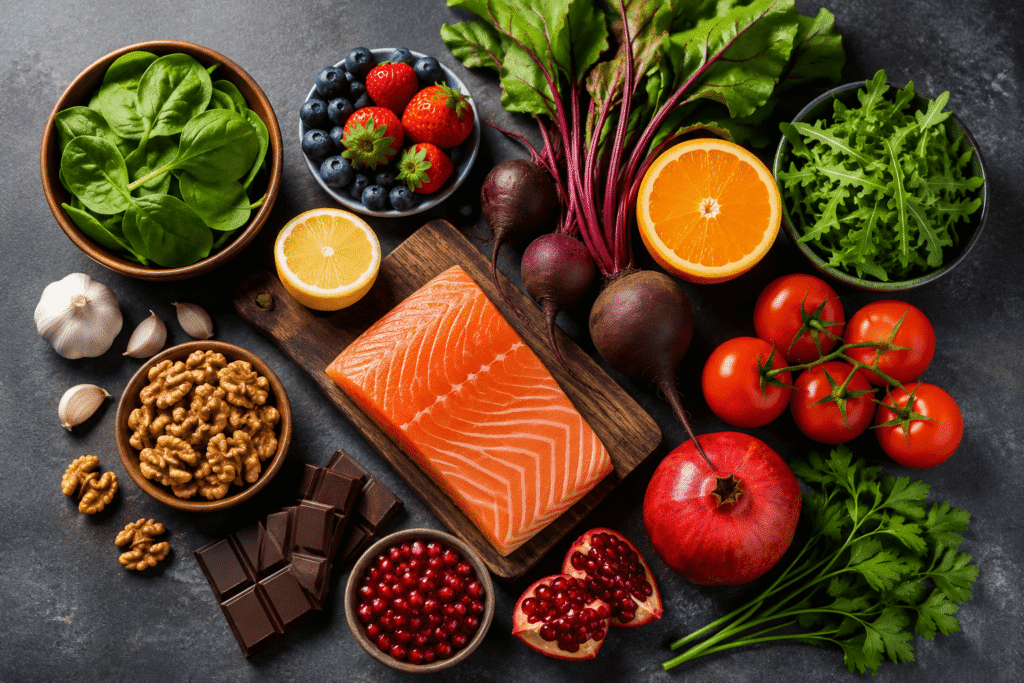
Vascular health relies heavily on the specific nutrients found in your favorite foods. Superfoods like omega-3-rich fatty fish, vibrant berries, citrus, and leafy greens work alongside earthy beets, garlic, walnuts, tomatoes, and pomegranates to deliver powerful antioxidants and natural nitrates. Even a dark chocolate treat helps the cause. Together, these foods actively protect your blood vessels, reduce inflammation, and give your entire cardiovascular system a powerful natural boost.
Cardiovascular wellness can be safely championed by upgrading your menu, but it is important to remember that these changes are a preventative lifestyle choice. If you are experiencing chronic symptoms or managing an underlying medical issue that affects your blood flow, these dietary adjustments should complement—not replace—professional medical guidance.
Why Healthy Blood Circulation Matters
Blood circulation acts as your body’s ultimate internal delivery network, and keeping it running smoothly is vital for your overall health. Every single second, your circulatory system is working hard behind the scenes to pump life-giving oxygen and critical nutrients directly to your organs, muscles, and tissues. At the exact same time, it acts as a built-in waste management system, flushing away carbon dioxide and metabolic cellular waste so your body can stay clean and energized.
Vascular efficiency directly dictates how well your brain, heart, and muscles perform from day to day. When your blood flow is strong and unobstructed, these vital organs receive the steady supply of oxygen-rich blood they require to operate at peak capacity. However, if your blood vessels become restricted or narrowed, your tissues are essentially starved of oxygen, which quickly impairs their function and saps your stamina.
Poor circulation often manifest through distinct warning signs that you shouldn’t ignore. When blood has trouble reaching your extremities, you might experience persistent coldness in your hands and feet, a pins-and-needles tingling, frequent muscle cramps, or noticeable swelling and skin discoloration. In more severe cases, these sluggish symptoms can be red flags for deeper, underlying health conditions like diabetes, heart disease, or Peripheral Artery Disease (PAD).
Optimizing your vascular health doesn’t have to be complicated; it comes down to daily, intentional habits. By pairing a nutrient-dense diet with consistent physical activity and smart lifestyle choices, you actively strengthen your blood vessels, protect your heart, and significantly lower your risk of developing long-term cardiovascular complications.
10 Foods That May Help Improve Blood Circulation Naturally
1. Fatty Fish
Omega-3 fatty acids make fatty fish one of the absolute best dietary additions for healthy blood circulation These essential, healthy fats are clinically proven to combat arterial inflammation, optimize the inner lining of your blood vessels, and encourage smooth, efficient blood flow from head to toe.
Examples:
- Mackerel
- Salmon
- Sardines
- Tuna
2. Leafy Green Vegetables
Leafy greens are naturally high in dietary nitrates, providing your body with the raw materials needed to manufacture nitric oxide. Nitric oxide signals the smooth muscles surrounding your veins to relax and expand, significantly lowering resistance and making it much easier for blood to move throughout the body.
Examples:
- Kale
- Spinach
- Arugula
- Swiss chard
3. Citrus Fruits
Citrus fruits are packed with vitamin C and antioxidants that help protect blood vessels from damage. Additionally, these nutrients spark the body’s natural collagen production, which is vital for maintaining the strength, elasticity, and structure of your blood vessel walls.
Examples:
- Oranges
- Limes
- Lemons
- Grapefruits
4. Garlic
Garlic contains natural sulfur compounds, including allicin, these natural compounds assist in relaxing the tension within blood vessel walls, which helps regulate pressure and allows blood to move seamlessly through your cardiovascular network.
5. Tomatoes
Tomatoes are rich in lycopene, actively defending your blood vessels against the oxidative stress that can lead to arterial stiffness. Incorporating them into your meals delivers a steady stream of cardioprotective nutrients that support long-term heart vitality.
6. Beets
Beets are another excellent source of natural nitrates. They help increase nitric oxide production, dilate blood vessels, improve overall circulation, and are highly favored by athletes to enhance endurance by delivering more oxygen directly to working muscles.
7. Dark Chocolate
Dark chocolate containing at least 70% cocoa is rich in flavonoids, exceptionally at improving endothelial function and boosting nitric oxide levels. Because it is a rich treat that contains calories and sugar, enjoying it in mindful, moderate portions gives you all the vascular perks without the drawbacks.
8. Berries
Berries contain powerful antioxidants called anthocyanins, vibrant colors of berries—provide remarkable protection for your cardiovascular system. Regularly enjoying these fruits helps neutralize oxidative stress, calms systemic inflammation, and naturally supports robust microcirculation.
Examples:
- Blueberries
- Strawberries
- Blackberries
- Raspberries
9. Walnuts
Walnuts are an excellent source of healthy fats, including plant-based omega-3 fatty acids (specifically alpha-linolenic acid). Eating them consistently helps nurture the endothelial lining of your blood vessels, keeping them flexible and supporting overall cardiovascular efficiency.
10. Pomegranates
Pomegranates are rich in antioxidants called polyphenols, making them a true superfood for your blood flow. These compounds, alongside a healthy dose of vitamin C, work together to protect your arteries from plaque buildup and keep your circulatory system performing beautifully.
Other Ways to Improve Blood Circulation

While a healthy diet plays an important role, your daily habits can also make a significant difference. The following lifestyle changes can help support healthy blood flow and reduce your risk of circulation problems:
- Walk regularly: Getting moving for just 30 minutes a day is one of the easiest ways to wake up a sluggish circulatory system. A brisk daily walk acts like a natural pump, forcing the muscles in your legs to contract and push blood efficiently back up to your heart.
- Maintain a healthy weight: Lightening the physical load on your body takes a massive amount of daily strain off your heart and veins. Keeping your weight in a balanced range ensures your cardiovascular system doesn’t have to work double-time to keep things moving.
- Exercise regularly: Mixing up your routine with cycling, swimming, yoga, or lifting weights gives your heart and blood vessels an incredible workout. These diverse movements keep your arterial walls flexible and ensure oxygen-rich blood reaches every corner of your body.
- Stay hydrated: Drinking enough water throughout the day is foundational for keeping your blood volume at a healthy level. When you are well-hydrated, your blood stays at the perfect consistency, allowing your heart to move it through your veins with much less effort.
- Control your blood pressure: Keeping your numbers in check prevents long-term structural wear and tear on your arterial walls. High blood pressure acts like too much pressure inside fragile pipes; managing it safely protects your entire vascular network from damage.
- Avoid sitting for long periods: Moving throughout the day is essential, especially if you work at a desk. Sitting for hours causes blood to pool heavily in your lower extremities; standing up to stretch or walk for a few minutes every hour keeps your blood circulating smoothly.
- Manage diabetes: Keeping your blood sugar steady is crucial for protecting the delicate blood vessels and nerves that control your blood flow. Managing your glucose levels ensures that blood can travel cleanly and easily to your lower legs and feet.
- Avoid smoking: Kicking this habit is the single most powerful thing you can do for your cardiovascular health. Smoking introduces toxins that actively tighten and damage your blood vessels, drastically cutting off vital blood flow to your tissues.
Foods That May Reduce Healthy Blood Flow
While adding circulation-friendly foods to your diet is important, limiting certain foods can also help support heart and blood vessel health. Consider reducing your intake of the following:
- Sugary drinks: Loading up on sodas, sweet teas, and juice blends sends your blood sugar on a roller coaster ride. Regularly consuming these sweet drinks can contribute to rapid weight gain, insulin resistance, and direct structural damage to the inner lining of your blood vessels.
- Excess alcohol: Overindulging in alcoholic beverages can cause your blood pressure to spike and weaken your heart muscle over time. If you choose to drink, keeping it strictly in moderation according to your doctor’s guidance is key to protecting your blood flow.
- Highly processed foods: Packing your diet with boxed, fast, or heavily processed items usually means you are consuming hidden amounts of unhealthy fats, sodium, and refined sugars. Over time, these ingredients trigger systemic inflammation and clog up your vascular network, driving up your risk of poor circulation.
- Excess salt (sodium): Shaking too much salt onto your meals forces your body to hold onto extra water, which balloons your overall blood volume. This buildup behaves like a high-pressure hose inside your body, putting intense, unnecessary strain on your heart and arterial walls.
- Foods containing trans fats: Eating items made with partially hydrogenated oils is incredibly hard on your cardiovascular system. These artificial trans fats aggressively raise your bad (LDL) cholesterol while dragging down your good (HDL) cholesterol, accelerating dangerous plaque buildup along your arterial pathways.
Tip: Focus on a balanced diet rich in fruits, vegetables, whole grains, lean proteins, healthy fats, and plenty of water to help support healthy blood circulation and overall cardiovascular health.
When Should You See a Doctor?
Paying attention to your body is crucial because while having cold hands or feet once in a while is perfectly normal, ongoing circulation problems shouldn’t be swept under the rug. If your symptoms stay around, get worse, or start getting in the way of your day-to-day routine, it is time to have a healthcare professional take a look.
Schedule an appointment if you experience:
- Stubbornly cold extremities that stay freezing chilly even when you are relaxing in a perfectly warm room.
- Leg cramps or aches that flare up when you walk or exercise but quickly fade away the moment you sit down to rest.
- Unusual swelling or puffiness that builds up in your feet, ankles, or lower legs and doesn’t seem to go down.
- Frequent numbness or tingling sensations in your hands and feet, often described as a nagging “pins-and-needles” feeling.
- Slow-healing sores or cuts that take way too long to mend, which is an especially urgent warning sign if you live with diabetes.
- Changes in skin tone where your skin starts looking unusually pale, blue, purple, or noticeably darker than normal.
If you frequently experience cold hands and feet, you may also find our guide Why Are My Hands and Feet Always Cold? Common Causes and When to See a Doctor helpful.
Seek Emergency Medical Care Immediately If You Experience:
- Sudden, agonizing pain hitting you completely out of nowhere in an arm or a leg.
- Severe chest pain or a heavy, crushing feeling in your chest area.
- Shortness of breath or finding yourself suddenly struggling to gasp for a normal breath.
- Sudden weakness or numbness spreading through your body, particularly if it only strikes one side of your face or frame.
- A freezing, discolored limb that turns completely pale, cold, or blue out of nowhere, signaling a sudden loss of blood flow.
Remember: Early diagnosis and treatment can help identify the underlying cause of poor circulation and reduce the risk of serious complications.
Conclusion
Fueling your body with a vibrant mix of nutrient-rich foods is one of the most rewarding ways to champion your long-term cardiovascular health. Filling your plate with circulation superstars like fatty fish, leafy greens, beets, berries, garlic, and citrus fruits—alongside tomatoes, walnuts, dark chocolate, and pomegranates—delivers a powerful dose of natural compounds that shield your blood vessels and keep your blood moving freely.
Vascular health, however, is a team effort. While eating right lays a fantastic foundation, it works best when paired with a healthy daily routine. Staying properly hydrated, getting consistent exercise, avoiding smoking, keeping your weight in a balanced range, and staying on top of health conditions like high blood pressure and diabetes are all vital pieces of the puzzle.
Listening to your body is your best defense against long-term complications. If you notice nagging warning signs like chronically cold extremities, leg pain when moving, unusual swelling, tingling, skin discoloration, or stubborn sores that refuse to heal, skip the guesswork. Reach out to a healthcare professional right away to get to the root of the issue and ensure your body gets the exact care it needs.
For more information about heart and circulatory health, visit trusted medical resources such as:
You may also find these articles helpful:
- Signs of Poor Circulation: Causes, Symptoms, and When to Get Help
- Why Are My Hands and Feet Always Cold? Common Causes and When to See a Doctor
Frequently Asked Questions
What foods are best for improving blood circulation?
Foods that may help support healthy blood circulation include fatty fish, leafy green vegetables, beets, berries, citrus fruits, garlic, tomatoes, walnuts, dark chocolate, and pomegranates. These foods contain nutrients that support healthy blood vessels and cardiovascular health.
Can diet really improve blood circulation?
Yes. Eating a balanced diet rich in fruits, vegetables, whole grains, lean proteins, and healthy fats can support healthy blood circulation. However, diet works best when combined with regular exercise, not smoking, staying hydrated, and managing underlying health conditions.
What vitamin is good for blood circulation?
Several vitamins and nutrients support healthy circulation, including vitamin C, vitamin E, B vitamins, and omega-3 fatty acids. Most people can obtain these nutrients by eating a varied, balanced diet.
Can drinking more water improve circulation?
Yes. Staying well hydrated helps maintain healthy blood volume, allowing your heart to pump blood more efficiently throughout your body.
Which foods should I avoid if I have poor circulation?
Try to limit highly processed foods, sugary drinks, foods high in trans fats, excessive salt, and excessive alcohol, as these may contribute to heart and blood vessel problems over time.
When should I see a doctor about poor circulation?
You should consult a healthcare professional if you experience persistent cold hands or feet, leg pain, numbness, swelling, skin color changes, or slow-healing wounds. Seek emergency medical care for sudden severe limb pain, chest pain, shortness of breath, or sudden weakness, as these may indicate a serious medical condition.