
What Are the Signs of Poor Circulation?
Quick Answer: Poor circulation commonly causes cold hands and feet, tingling, numbness, muscle cramps, swelling, skin discoloration, slow-healing wounds, and fatigue. While these symptoms can have many causes, persistent or severe symptoms should be evaluated by a healthcare professional.
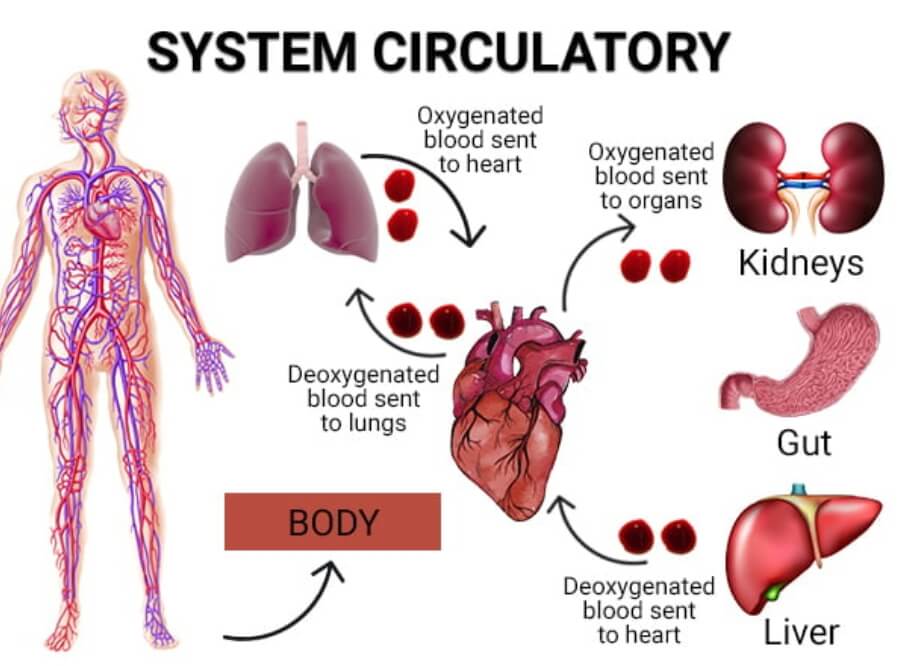
Your circulatory system is a complex network powered by your heart that delivers oxygen and nutrients throughout your body while removing waste products. When blood flow becomes restricted, your organs and tissues may not receive the oxygen they need to function properly.
Poor circulation is usually a symptom of an underlying health condition rather than a disease itself. Recognizing the early warning signs can help you seek medical care sooner and prevent potential complications.
If you’ve been noticing unusual sensations such as cold hands, tingling, leg pain, or swelling, here are the most common signs of poor circulation you should never ignore.
1. Warning Signs in Your Hands and Feet
Because your body is naturally wired to prioritize keeping your core vital organs warm and supplied with blood, your extremities, the parts farthest from your heart are always the first to show signs of a sluggish delivery system.
- Persistent Ice-Cold Extremities: It is completely normal to get cold fingers and toes in a chilly room. However, if your hands and feet feel like ice even when the rest of your body is warm, it means your peripheral blood vessels are constricting too much, preventing warm blood from reaching your skin.
- The “Pins and Needles” Sensation: When tissue is deprived of steady blood flow, the surrounding nerves begin to misfire. This creates a prickling or tingling feeling (paresthesia) in your fingers and toes that doesn’t easily disappear with a quick shake of the limb.
- Numbness: If blood restriction worsens, that tingling sensation can degrade into a complete temporary loss of feeling. This is a particularly dangerous sign, as it leaves you vulnerable to minor injuries or blisters on your feet that you might not even feel.
2. Warning Signs in Your Legs and Arms
Sluggish blood flow in your limbs often points to structural issues within your blood vessels. This frequently manifests as an arterial issue like Peripheral Artery Disease (PAD) via the Mayo Clinic, where plaque builds up and narrows the arteries, or a venous issue like Chronic Venous Insufficiency (CVI), where weakened leg valves struggle to push blood upward against gravity.
- Muscle Cramping and Pain (Claudication): This is a signature sign of arterial restriction. You may experience a dull ache, tightness, or throbbing cramps in your calves, thighs, or buttocks while walking or climbing stairs. Crucially, the pain typically disappears after a few minutes of rest because resting muscles demand less oxygen.
- Swelling (Edema): When the one-way valves inside your veins weaken, fluid pools in your lower legs, ankles, and feet. You might notice that your shoes feel tight by evening or that your socks leave deep, indented rings in your skin.
- Varicose Veins: Backward-flowing blood puts immense pressure on your lower vessels. According to the Johns Hopkins Medicine guide on varicose veins, this persistent pressure causes superficial veins to stretch, twist, and visibly bulge beneath the surface of the skin, appearing as raised blue or dark purple lines.
3. Surface and Systemic Symptoms
Poor circulation doesn’t just affect how your limbs feel; it impacts how your entire body heals and functions on a daily basis.
- Skin Discoloration: A lack of oxygenated blood alters your skin tone. On pale skin, this can appear as a bluish or purple tint (cyanosis), or a notably pale, ghostly look. On darker skin tones, this lack of oxygen often manifests as an ashen, grey, or dull complexion, which is typically easiest to spot in the palms of the hands, soles of the feet, or underneath the nail beds.
- Slow-Healing Wounds: Your blood carries the essential growth factors, white blood cells, and nutrients required to knit tissue back together. When circulation drops, a simple scratch, bug bite, or scrape on your leg or foot can stall in the healing phase, remaining open for weeks and leaving you vulnerable to infection.
- Chronic Fatigue: Sluggish blood flow forces your heart to pump harder to deliver resources throughout the body. At the same time, oxygen-starved muscles tire much faster, leaving you feeling physically drained even after minimal exertion.
What Causes Poor Circulation?
Poor circulation is usually a sign of an underlying condition affecting your heart or blood vessels. Identifying the cause is important because the right treatment depends on what’s restricting blood flow. Some of the most common causes include:
- Peripheral Artery Disease (PAD): Fatty deposits (plaque) build up inside the arteries, reducing blood flow to the arms and legs.
- Diabetes: High blood sugar can damage blood vessels and nerves over time, making it harder for blood to circulate efficiently.
- Smoking: Chemicals in tobacco damage blood vessels and increase the risk of plaque buildup, reducing healthy blood flow.
- High Cholesterol: Excess cholesterol can narrow the arteries, making it more difficult for blood to reach different parts of the body.
- Obesity: Carrying excess weight increases the risk of conditions such as high blood pressure, diabetes, and heart disease, all of which can contribute to poor circulation.
- Blood Clots: A blood clot can partially or completely block blood flow and requires prompt medical attention.
- Heart Disease: Conditions that weaken the heart’s ability to pump blood effectively can reduce circulation throughout the body.
- Prolonged Sitting or Standing: Remaining in one position for long periods can slow blood flow, especially in the legs.
Understanding the underlying cause is the first step toward effective treatment. If your symptoms are persistent, worsening, or interfering with your daily activities, consult a healthcare professional for a proper evaluation.
How to Improve and Prevent Poor Circulation
While treatment depends on the underlying cause, healthy lifestyle habits can support better blood flow and reduce the risk of circulation problems. Here are some practical ways to improve and maintain healthy circulation:
- Walk regularly: Aim for at least 30 minutes of moderate physical activity most days of the week. Walking helps improve blood flow, especially to the legs and feet.
- Avoid smoking: Smoking damages blood vessels and increases the risk of plaque buildup, making it harder for blood to circulate efficiently.
- Manage diabetes, high blood pressure, and high cholesterol: Keeping these conditions under control can help protect your blood vessels and reduce the risk of circulation problems.
- Stay hydrated: Drinking enough water helps maintain healthy blood volume and supports normal circulation.
- Avoid sitting or standing for long periods: If you have a desk job or stand for extended periods, take short breaks to walk or stretch every hour.
- Wear compression stockings if recommended: For people with certain vein conditions, compression stockings can help improve blood flow in the legs and reduce swelling. They should be used under the guidance of a healthcare professional.
How Doctors Diagnose Poor Circulation
If poor circulation is suspected, your healthcare provider may recommend one or more of the following tests:
- Physical examination: Checks your pulse, skin color, temperature, and signs of swelling or poor blood flow.
- Blood pressure measurement: Helps identify blood pressure problems that may affect circulation.
- Ankle-Brachial Index (ABI): Compares blood pressure in your ankles and arms to detect Peripheral Artery Disease (PAD).
- Doppler ultrasound: Uses sound waves to evaluate blood flow and identify narrowed or blocked blood vessels.
- Blood tests: May check cholesterol, blood sugar, and other risk factors linked to poor circulation.
- CT or MR angiography: Imaging tests that provide detailed pictures of blood vessels when more information is needed.
The bottom line: The tests your doctor recommends will depend on your symptoms and medical history. Early diagnosis can help identify the cause of poor circulation and guide appropriate treatment.
Red Flag Symptoms: When to See a Doctor
While many circulation issues develop gradually and can be managed with targeted lifestyle changes, certain signs demand immediate medical attention.
Seek emergency medical care immediately if you experience:
- Sudden, severe numbness or weakness on one side of your body.
- A limb that abruptly turns cold, pale, or blue.
- Severe leg pain that persists even when you are completely at rest.
- Any chest pain, a racing pulse, or sudden shortness of breath.
Conclusion: Take Action for Better Vascular Health
Recognizing the signs of poor circulation is the first step toward protecting your long-term health. Your body’s delivery network is highly responsive, and caught early, sluggish blood flow can often be significantly improved through intentional lifestyle adjustments. Simple habits like staying well-hydrated, incorporating daily low-impact movement (such as walking or stretching), and avoiding prolonged periods of sitting or standing can make a massive difference in how your extremities feel.
However, because restricted blood flow is frequently a whisper from an underlying condition like Peripheral Artery Disease or venous insufficiency, your most important step is always to consult a healthcare professional. A simple check-up can help you uncover the root cause, map out a safe treatment plan, and keep your body’s vital transport system running smoothly for years to come.
Want more evidence-based tips delivered straight to your inbox? Subscribe to our weekly health newsletter for simple guides on keeping your heart and vascular system strong.
What are the first signs of poor circulation?
Early signs of poor circulation often include cold hands and feet, tingling sensations, numbness, muscle cramps, and unexplained fatigue. These symptoms occur when blood flow is reduced to certain parts of the body.
What causes poor circulation?
Poor circulation can be caused by several conditions, including peripheral artery disease (PAD), diabetes, obesity, high blood pressure, smoking, blood clots, and a sedentary lifestyle.
Can poor circulation be reversed?
In many cases, poor circulation can be improved through regular exercise, a healthy diet, proper hydration, quitting smoking, and managing underlying health conditions such as diabetes or high blood pressure.
Does poor circulation always affect the legs?
No. While the legs are commonly affected, poor circulation can also cause symptoms in the hands, feet, arms, and even the brain, leading to dizziness or difficulty concentrating.
When should I see a doctor about poor circulation?
You should seek medical attention if you experience persistent symptoms such as numbness, swelling, leg pain, slow-healing wounds, or skin discoloration. Emergency care is needed for sudden weakness, chest pain, severe shortness of breath, or a limb that becomes cold and pale.
Poor circulation often develops gradually, and the earlier it’s identified, the easier it may be to manage. If you’ve noticed persistent symptoms like cold feet, numbness, swelling, or leg pain, don’t ignore them. Speak with a healthcare professional to determine the cause and begin appropriate treatment if needed.