
Quick Answer
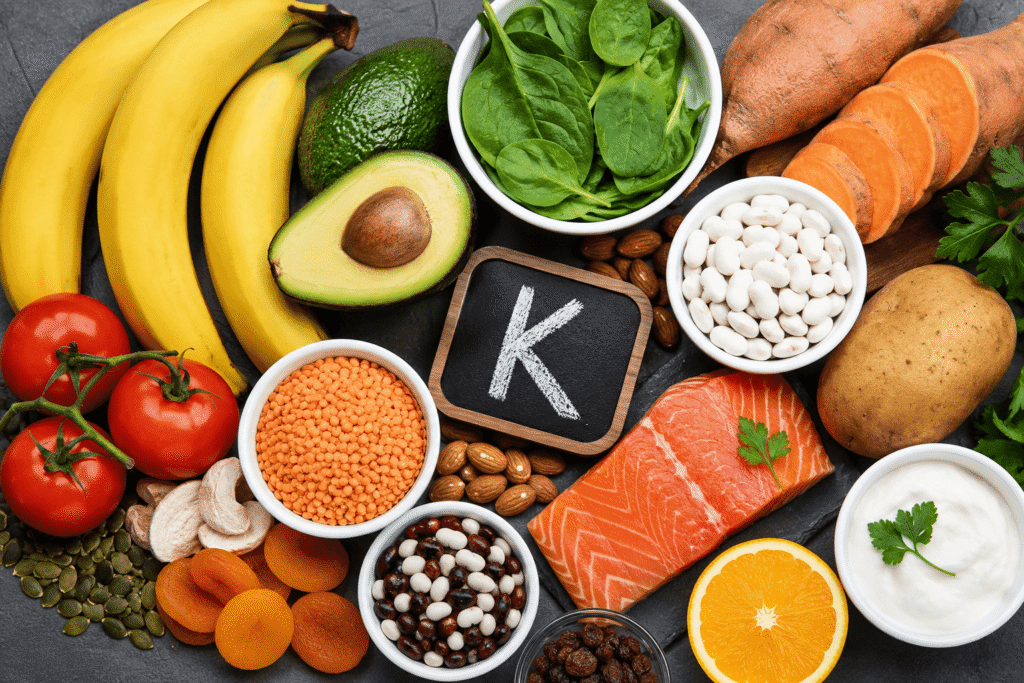
Potassium-rich foods like bananas, white and sweet potatoes, spinach, avocados, beans, tomatoes, oranges, yogurt, and salmon are the best natural sources of this essential nutrient. As a vital mineral, potassium plays a critical role in controlling cellular fluid balance, stabilizing blood pressure, keeping your nervous system firing correctly, and ensuring your heart maintains a steady rhythm. While a diverse, whole-food diet is usually all it takes to hit your daily targets, any ongoing signs of a potassium imbalance, whether too low or too high, should always be evaluated by a medical professional, as both extremes can significantly impact your cardiovascular and neurological health.
What Is Potassium?
Potassium-rich foods are necessary for overall health because your body is incapable of manufacturing its own supply of this fundamental mineral and electrolyte. Potassium carries a tiny electrical charge that your body relies on to serve as the master regulator for internal fluid levels, enable smooth muscle communication, trigger nerve impulses, and keep your heart beating at a safe, steady pace. Additionally, it acts as a natural counterweight to sodium, helping to relax blood vessels and keep blood pressure within a healthy range. Incorporating a steady variety of these dense items, such as fresh produce, legumes, dairy, and seafood, is the most reliable way to meet your daily requirements and protect your long-term vitality.
Why Does Your Body Need Potassium?
Potassium is essential for many important functions in your body. Getting enough potassium through a healthy diet helps keep your heart, muscles, nerves, and other organs working properly.
- Supports kidney health: Potassium helps your kidneys filter waste and keep your internal chemistry balanced, though anyone with kidney issues should always get personalized advice on how much to consume.
- Supports healthy blood pressure: Potassium acts as a natural shield against too much salt, helping your blood vessels relax so your blood pressure stays in a safe zone.
- May support bone health: Eating plenty of this mineral can stop your body from losing too much calcium through urine, keeping your bones strong and sturdy over time.
- Keeps your heart beating normally: Potassium manages the electrical system inside your chest, keeping your heartbeat steady, regular, and ticking right on time.
- Supports muscle function: Your muscles need this mineral to flex and relax without a hitch, meaning a shortage can easily trigger annoying twitches, weakness, or painful charley horses.
- Regulates fluid balance: Potassium controls the water levels inside your cells while sodium handles the outside, working together to keep you perfectly hydrated and preventing unwanted bloating.
- Maintains healthy nerve function: Potassium fires up the communication lines in your body, allowing your brain to send lightning-fast messages to your limbs so you can move and feel things normally.
A balanced diet rich in fruits, vegetables, legumes, dairy products, and fish usually provides enough potassium for most healthy adults.
10 Best Potassium-Rich Foods
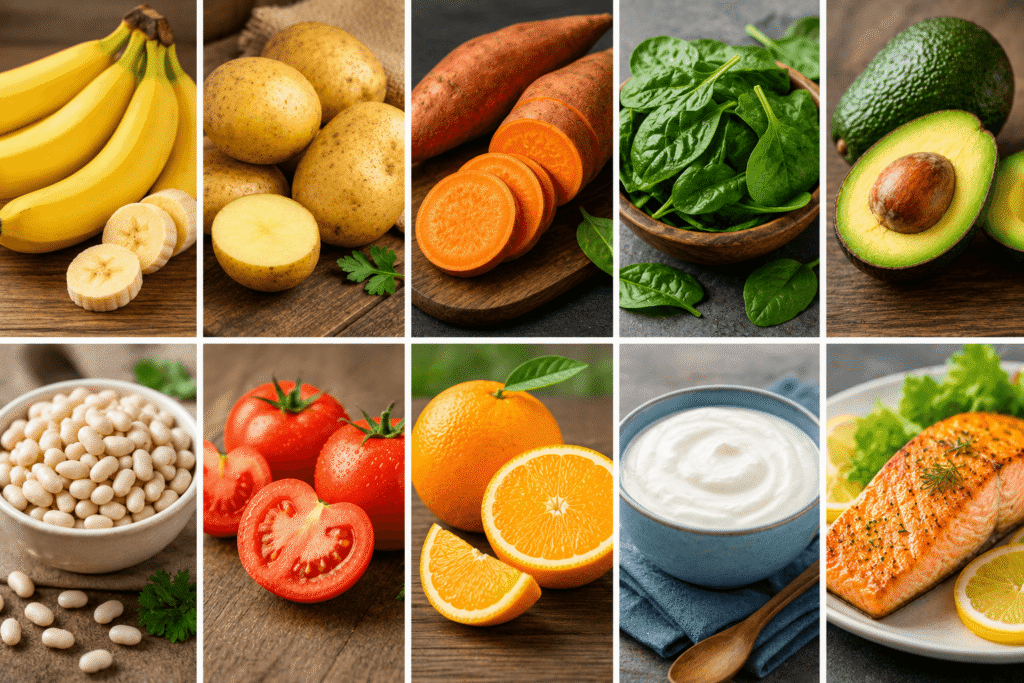
1. Bananas
Bananas are one of the best-known sources of potassium. They also provide vitamin B6, fiber, and natural carbohydrates that support energy production.
2. Avocados
Beyond their creamy texture, avocados give you a fantastic amount of potassium alongside heart-healthy fats, fiber, and vitamins.
3.Tomatoes
Whether you eat them fresh or cooked down into sauces, tomatoes provide a solid dose of potassium and lycopene, an antioxidant that is great for your heart.
4. Salmon
This delicious fish brings a lot to the table, giving you a high amount of potassium alongside premium protein, omega-3 fatty acids, and vitamin D for full-body wellness.
5. Oranges
Grabbing a whole orange or a glass of juice delivers a refreshing hit of potassium and vitamin C to keep your blood vessels healthy and your immune system strong.
6. Sweet Potatoes
These are loaded with potassium and fiber, plus they offer a massive dose of vitamin A and antioxidants to protect your overall health.
7. Potatoes
Don’t skip the spuds—regular white potatoes are actually nutritional powerhouses packed with potassium, fiber, and vitamin C.
8. Yogurt
Plain yogurt is a simple way to get your potassium, calcium, and protein, plus it features live probiotics that keep your gut happy.
9. White Beans
These are one of the absolute best plant-based sources of potassium you can buy, while also loading you up on protein, fiber, iron, and folate.
10. Spinach
This leafy green is incredibly rich in potassium, and throwing a handful into your meals adds a healthy dose of magnesium, iron, folate, and vitamins A and C.
Signs and Symptoms of Potassium Deficiency

Potassium deficiency (also called hypokalemia) can affect many parts of the body. Mild deficiency may not cause noticeable symptoms, but low potassium levels can lead to a variety of health problems.
- Difficulty breathing: In very severe cases, low potassium can weaken the muscles you use to breathe, making it feel like you are struggling to catch your breath.
- Irregular heartbeat: Severe potassium drops mess with the electrical signals in your chest, causing your heart to flutter, skip a beat, or pound heavily, which requires urgent medical care.
- Fatigue: Since this mineral keeps your nerves firing and your muscles moving, low levels can drain your battery, leaving you feeling constantly wiped out and low on energy.
- Muscle weakness: Without enough potassium, your muscles lose their stamina, making your limbs feel heavy, tired, or uncharacteristically weak during everyday activities.
- Tingling or numbness: A lack of potassium can cause the nerves in your hands and feet to misfire, which often feels like a strange “pins and needles” or tingling sensation.
- Constipation: Potassium keeps the muscles in your digestive tract moving things along smoothly. When levels drop, your digestion can slow to a crawl, resulting in stubborn constipation.
- Muscle cramps or spasms: Because potassium is what allows your muscles to contract and relax smoothly, a shortage often causes them to seize up, leading to painful cramps and charley horses, especially in your calves.
If you are dealing with these symptoms regularly or think your potassium might be low, be sure to schedule a visit with a doctor to get your levels checked and find the right fix.
Who Is at Risk of Potassium Deficiency?
While most people get plenty of potassium just by eating a normal, healthy diet, certain situations and health factors can make it much easier for your levels to drop.
- People on certain routine medications: Regularly taking laxatives, corticosteroids, or other specific prescriptions can slowly drain your potassium levels over time.
- People taking water pills: Certain medications used to manage high blood pressure or heart failure work by flushing extra fluid out of your body, which can accidentally wash away too much potassium in your urine.
- Anyone dealing with a severe stomach bug: Ongoing vomiting or diarrhea can drain your system incredibly fast, causing you to lose massive amounts of water and vital electrolytes like potassium.
- People struggling with eating disorders or poor nutrition: If your daily meals rarely include fresh fruits, vegetables, and other whole foods, your body simply won’t get the baseline potassium it needs to function.
- Anyone living with chronic gut issues: Conditions like inflammatory bowel disease (IBD) or Crohn’s disease irritate the digestive tract, making it very difficult for your body to properly absorb potassium from the food you eat.
- Heavy sweaters: Working out intensely for hours or spending a lot of time in extreme heat causes you to sweat out your mineral stores, especially if you are only rehydrating with plain water instead of replacing electrolytes.
- People with kidney or adrenal issues: Because your kidneys and adrenal glands act as the control center for your body’s mineral levels, any health conditions affecting these organs can throw your potassium balance out of whack.
If any of these situations sound familiar, or if you are noticing the warning signs of low potassium, it is a good idea to chat with your doctor. They can run a simple blood test and help you figure out the best way to get back on track.
Can You Get Enough Potassium from Food Alone?
Yes, absolutely. For most healthy people, eating a balanced diet that features a colorful mix of fruits, veggies, beans, dairy, and fish is all it takes to keep your potassium levels exactly where they need to be. Loading up your plate with everyday options like bananas, potatoes, spinach, avocados, tomatoes, oranges, yogurt, and salmon is the absolute best and safest way to fuel your body.
That being said, there are definitely exceptions. If you are dealing with a specific health condition, taking medications that mess with your body’s mineral balance, or battling a severe stomach bug, you might need a bit of extra guidance. You should always talk to your doctor before grabbing a potassium supplement off the shelf, as they aren’t necessary for most people and can actually do more harm than good if you don’t truly need them.
Can You Get Too Much Potassium?
Yes, you can. While it is incredibly rare to get too much potassium just from the food you eat, having dangerously high levels in your blood, a condition called hyperkalemia, is definitely possible. This usually happens to people whose kidneys aren’t filtering properly, or those taking specific prescription medications.
When you have a massive overload of potassium in your system, it can short-circuit the electrical signals that keep your heart beating, which can quickly turn into a serious medical emergency if it isn’t treated right away.
Some of the common warning signs of high potassium include:
- Chest pain: A tight or painful feeling in your chest, which is a major red flag in severe cases.
- Nausea: A sick, unsettled feeling in your stomach.
- A strange heartbeat: Your heart feels like it is skipping beats, pounding wildly, or ticking way too slowly.
- Tingling or numbness: A strange pins-and-needles sensation, often in your hands, feet, or around your mouth.
- Muscle weakness: Feeling unusually weak or floppy in your arms and legs.
- Fatigue: Feeling completely drained or exhausted for no clear reason.
If you have kidney disease or take specific blood pressure drugs, like ACE inhibitors, ARBs, or certain water pills, you need to be extra careful and closely follow your doctor's rules about how much potassium you consume. And remember, never start taking potassium supplements unless a healthcare professional explicitly tells you to!
When Should You See a Doctor?

While eating a healthy, balanced diet is usually all it takes to keep your potassium in check, you shouldn’t ignore the warning signs of a potassium imbalance. If you notice symptoms of low or high potassium, it’s important to get checked out by a professional so they can figure out exactly what’s going on and help you fix it.
Schedule an Appointment If You Notice:
- Muscle weakness that won’t go away or frequent, painful muscle cramps.
- Constant fatigue, exhaustion, or a total lack of energy.
- A weird “pins and needles” or tingling feeling that doesn’t get better.
- Ongoing stomach trouble, like non-stop nausea, vomiting, or diarrhea.
- Symptoms that keep bugging you even though you are eating plenty of healthy foods.
- A new health condition or medication that might be messing with your body’s mineral levels.
Go to the ER or Seek Emergency Care Immediately If You Experience:
- Tightness, pressure, or pain in your chest.
- Sudden difficulty breathing or feeling like you can’t catch your breath.
- A racing, dangerously slow, or skipping heartbeat.
- Severe muscle weakness that makes it hard to move, or a feeling of paralysis.
- Dizziness that leads to fainting or passing out.
Keep in Mind: Both low potassium (hypokalemia) and high potassium (hyperkalemia) are serious medical issues. Catching the problem early is the best way to avoid dangerous complications down the road.
Frequently Asked Questions
What foods are actually highest in potassium?
Some of the absolute best everyday sources include bananas, white and sweet potatoes, spinach, avocados, white beans, tomatoes, oranges, plain yogurt, and salmon.
What does a potassium deficiency feel like?
The most common red flags are weak or heavy muscles, painful cramps, constant tiredness, stubborn constipation, numbness or tingling, and a fluttering or irregular heartbeat if levels drop dangerously low.
Can I really get enough potassium just from my food?
Yes, you definitely can. As long as you are generally healthy, eating a colorful diet packed with fruits, veggies, beans, dairy, and fish will give your body all the potassium it needs.
Can you overdo it on potassium?
For most healthy people, it is almost impossible to get too much potassium just from regular meals. However, if your kidneys aren’t working perfectly or you are taking specific medications, potassium can build up to dangerous levels.
Do potassium supplements actually help?
Supplements are only a good idea if a doctor specifically prescribes them to you. Taking them on your own can be highly dangerous, especially for your heart and kidneys, if your body doesn’t actually need them.
Which fruit has the absolute most potassium?
Bananas always get the spotlight, but avocados actually pack even more potassium per serving. Oranges, cantaloupe, and dried fruits like raisins and apricots are also fantastic options.
Conclusion
Adding a variety of potassium-rich foods to your plate is one of the easiest ways to look after your health. Loading up on staples like bananas, potatoes, spinach, avocados, beans, tomatoes, oranges, yogurt, and salmon doesn’t just give you potassium—it delivers a whole package of nutrients that keep your heart beating steady, your muscles flexing smoothly, and your blood pressure right where it should be.
For the average person, a good diet is more than enough to hit your daily targets. But if you are constantly dealing with weak muscles, charley horses, brain fog, tingling limbs, or a racing heart, don’t guess—go see a healthcare professional to get your levels checked.
To learn more about potassium and smart nutrition, check out these trusted sources:
- National Institutes of Health (NIH) – Office of Dietary Supplements
- Mayo Clinic
- American Heart Association (AHA)
You Might Also Like These Articles: