
Quick Answer
Eating magnesium-rich foods is one of the best ways to keep your body running smoothly. This essential mineral plays a quiet but powerful role in your health every day, helping your muscles relax, keeping your nerves firing correctly, and converting the food you eat into steady energy. It is also a major player in keeping your heart beating steadily, your bones strong, and your blood sugar levels balanced.
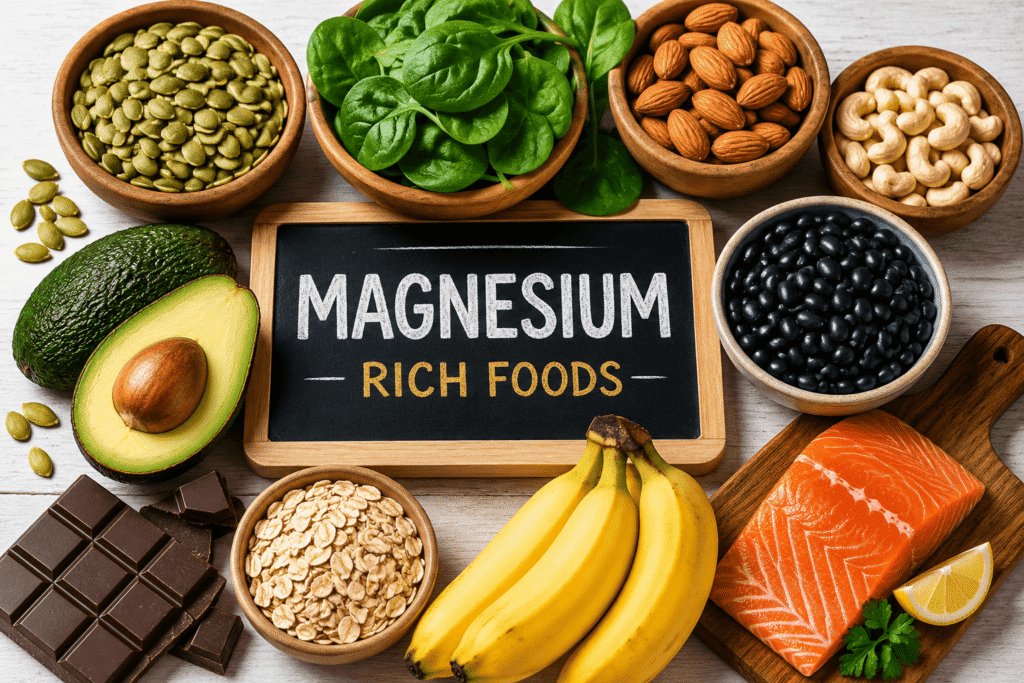
You can naturally boost your levels by adding a variety of whole foods to your meals, such as pumpkin seeds, spinach, almonds, cashews, black beans, avocados, whole grains, bananas, and fatty fish—even a little dark chocolate counts. While a well-rounded diet gives most people all the magnesium they need, anyone dealing with persistent fatigue, muscle cramps, or specific health conditions should talk to a doctor to see if they need their levels checked.
What Is Magnesium?
Magnesium is an essential mineral that your body needs to function properly. It plays a role in more than 300 chemical reactions that help keep your muscles, nerves, heart, and bones healthy. Magnesium also helps your body produce energy, supports normal muscle and nerve function, maintains a steady heartbeat, and helps regulate blood sugar levels.
Because your body cannot produce magnesium on its own, you need to get it regularly from foods or, if recommended by a healthcare professional, dietary supplements. Eating a balanced diet that includes magnesium-rich foods is usually the best way to meet your daily needs.
Why Does Your Body Need Magnesium?
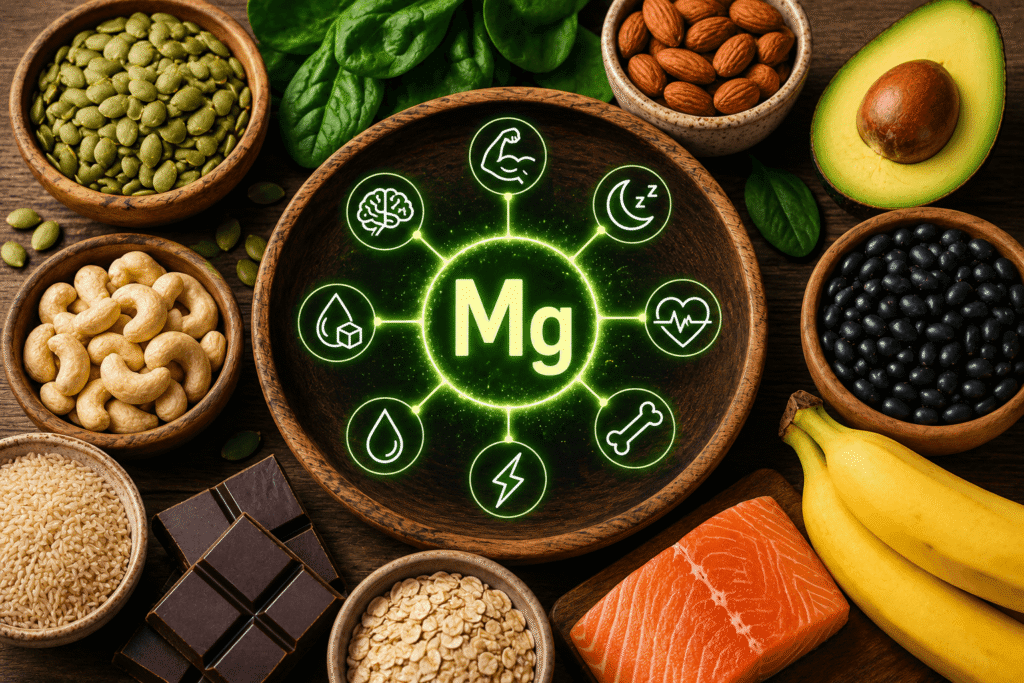
Magnesium is a vital mineral that helps power more than 300 chemical reactions keeping your body running smoothly. Getting enough magnesium through a healthy diet is essential for your everyday energy, cellular health, and overall well-being.
- Supports muscle function: Magnesium acts as a natural relaxer for your muscles. While calcium tells your muscles to contract, magnesium steps in to help them loosen up afterward. Without enough magnesium, muscles can become over-excited, leading to stubborn tension, twitches, and cramps.
- Keeps nerves working properly: Your nervous system relies on magnesium to manage how messages travel through your body. By regulating key brain chemicals and preventing nerve cells from burning out, this mineral helps keep your nervous system calm and balanced.
- Supports heart health: Your heart depends on magnesium to maintain a steady, regular rhythm. It helps transport other vital minerals like potassium and calcium across cells, while also helping your blood vessels relax to support a healthy blood pressure.
- Strengthens bones: Calcium gets most of the credit for bone health, but it cannot do the job alone. Magnesium is required to build a dense bone structure, helps your body absorb calcium properly, and is needed to turn vitamin D into its active, usable form.
- Produces energy: Energy production at the cellular level depends entirely on magnesium. The primary energy molecules in your cells (ATP) must bind to magnesium to actually work. If you are low on this mineral, your body struggles to unlock the energy from the food you eat.
- Helps regulate blood sugar: Magnesium plays a major role in how your body processes sugar by improving insulin sensitivity. It helps your cells respond better to insulin, allowing them to efficiently clear sugar out of your bloodstream and use it for steady fuel.
- Supports restful sleep: To fall asleep, your brain and body need to wind down. Magnesium helps trigger the receptors that quiet neural activity, lowering stress signals and supporting the natural hormone so that control your sleep cycles.
Most people can easily hit their daily magnesium goals by eating a varied, nutrient-dense diet packed with leafy greens, legumes, nuts, seeds, and whole grains.
10 Best Magnesium-Rich Foods
1. Pumpkin Seeds
Pumpkin seeds are among the most concentrated natural sources of magnesium available. In addition to supporting neuromuscular and cardiovascular function, a small serving provides a robust profile of monounsaturated fats, plant protein, iron, and zinc.
2. Spinach
This dark leafy green is an exceptional source of dietary magnesium. Spinach can be easily integrated into both raw and cooked dishes, delivering a high density of complementary micronutrients, including non-heme iron, folate, and vitamins A and C.
3. Almonds
Almonds offer a nutrient-dense option for meeting daily magnesium requirements. They combine this essential macromineral with high amounts of vitamin E, dietary fiber, and cardioprotective fats, which together support metabolic health and satiety.
4. Cashews
Cashews provide a substantial yield of magnesium alongside vital trace minerals like copper and zinc. They make a nutritious snack or can be added to salads and stir-fries.
5. Black Beans
Black beans are rich in magnesium, fiber, and plant-based protein. They also contribute significant amounts of iron and folate, making them highly effective for supporting cellular and digestive health.
6. Avocados
Avocados contain magnesium, heart-healthy monounsaturated fats, potassium, and fiber. This unique nutrient profile supports lipid optimization, vascular health, and the absorption of fat-soluble vitamins.
7. Dark Chocolate
Dark chocolate containing 70% cocoa or more is a good source of magnesium and antioxidants called flavonoids. When consumed in moderation, it supports cardiovascular health and endothelial function.
8. Whole Grains
Whole grains such as brown rice, quinoa, oats, and whole wheat contain magnesium, fiber, and B vitamins. These grains also supply essential B vitamins and complex carbohydrates for sustained energy metabolism.
9. Bananas
While primarily recognized for their potassium density, bananas contribute a meaningful amount of dietary magnesium. They also provide vitamin B6 and easily digestible carbohydrates, making them an efficient option for systemic recovery and metabolic support.
10. Fatty Fish
Sustained consumption of fatty fish, such as salmon, mackerel, and sardines, introduces a highly bioavailable combination of magnesium, lean protein, and vitamin D. Furthermore, they are rich in eicosapentaenoic acid (EPA) and docosahexaenoic acid (DHA), which offer profound anti-inflammatory and cardiovascular benefits.
Signs You May Be Low in Magnesium

Spotting low magnesium can be tricky because it develops gradually, and the initial warning signs are easy to brush off. While any of these symptoms can be tied to a handful of different health factors, persistent or severe issues always warrant a conversation with a healthcare professional.
Keep an eye out for these common indicators that your levels might be low:
- Muscle cramps or spasms: Magnesium helps your muscles relax. Without enough of it, they can get stuck in “on” mode, leading to sudden, painful twitches or painful nighttime leg cramps.
- Muscle weakness: Your muscles need magnesium to convert food into physical power. When you’re running low, your muscles lose their punch, making everyday tasks feel surprisingly heavy.
- Fatigue or low energy: Magnesium is like the spark plug for your body’s battery. If you don’t have enough, your cellular power plants can’t produce energy, leaving you feeling completely drained even after a full night’s sleep.
- Tingling or numbness: Low magnesium causes your nerves to misfire. This usually shows up as a weird “pins and needles” feeling or a temporary loss of sensation in your fingers and toes.
- Loss of appetite: A drop in this mineral can quietly stall your digestive cues. You might suddenly realize you have zero interest in eating, even when it’s well past lunchtime.
- Nausea: An electrolyte imbalance messes with your stomach’s natural rhythm. This often leads to a wave of mild, unexplained queasiness that makes you feel generally off-kilter.
- Irregular heartbeat or heart palpitations: Your heart relies on magnesium to keep a steady beat. A shortage can cause it to suddenly skip a beat, flutter, or thump hard against your chest out of nowhere.
- Difficulty sleeping: This mineral is your body’s natural chill pill; it helps wind down your nervous system. Without it, your brain stays revved up, making it tough to fall asleep or stay asleep.
- Mood changes, such as increased irritability or anxiety: Magnesium keeps your stress hormones in check. When it drops, your fuse gets a lot shorter, and you might find yourself feeling anxious or stressed over things that wouldn’t normally bother you.
Who Is at Risk of Magnesium Deficiency?
While a well-rounded diet usually does the trick, some people are naturally more prone to running low on magnesium. This usually happens if your body either isn’t absorbing it well or is losing it too quickly.
- Older adults: As we age, our bodies become less efficient at absorbing nutrients from food, and our kidneys tend to flush out more magnesium than they used to.
- People with type 2 diabetes: Higher blood sugar levels can force the kidneys to work overtime, causing them to accidentally filter out and waste extra magnesium through urine.
- Individuals with gut or digestive disorders: Conditions like Crohn’s disease or celiac disease damage the intestinal lining, making it incredibly tough for the body to absorb nutrients properly.
- People with alcohol use disorder: Frequent or heavy alcohol consumption actively interferes with nutrient absorption and triggers the kidneys to excrete vital minerals.
- Those taking certain medications: Common prescriptions—including some blood pressure diuretics or long-term acid reflux pills (PPIs)—can cause the body to flush out magnesium faster than normal.
- People who eat a diet low in magnesium-rich foods: If your daily meals lean heavily on processed items and miss out on leafy greens, nuts, and whole grains, you simply aren’t putting enough magnesium into the system.
If you have one or more of these risk factors, your healthcare provider may recommend testing your magnesium levels or making dietary changes to help meet your daily needs.
Can You Get Enough Magnesium from Food Alone?
Absolutely. For most healthy people, a vibrant, balanced diet is all it takes to keep magnesium levels right where they need to be. Loading your plate with a variety of whole foods—like pumpkin seeds, leafy greens, nuts, beans, whole grains, and fatty fish—delivers a great dose of magnesium alongside a mix of other vital nutrients.
That said, it isn’t always that simple for everyone. Specific health conditions, everyday medications, or just not having consistent access to fresh, nutrient-dense foods can make it tough to get enough from meals alone. If you fall into that camp, a healthcare professional can help you navigate the best next steps, whether that means fine-tuning your daily menu or introducing a target magnesium supplement.
When Should You See a Doctor?
An occasional tight muscle or a sleepy afternoon doesn’t automatically mean your magnesium levels are tanking. However, you should definitely check in with a healthcare professional if your symptoms hang around, get progressively worse, or start disrupting your day-to-day routine.
Schedule an appointment if you experience:
- Frequent muscle cramps or muscle weakness: Your muscles are consistently twitching, locking up, or feeling uncharacteristically weak during normal activities.
- Ongoing fatigue or low energy: You are dealing with a deep, heavy exhaustion that a good night’s sleep just can’t seem to fix.
- Persistent tingling or numbness: That strange “pins and needles” sensation or loss of feeling in your hands and feet becomes a regular occurrence.
- Loss of appetite or ongoing nausea: A chronic lack of interest in food or a stubborn, lingering queasiness keeps throwing off your day.
- Symptoms that continue despite eating a balanced diet: You are already eating plenty of nutrient-dense whole foods, but the physical warning signs won’t budge.
- High-risk health factors: You have an underlying medical condition or take daily medications known to drain your body’s magnesium stores.
Seek emergency medical care immediately if you experience:
- A rapid, irregular, or pounding heartbeat: Your heart suddenly starts racing, fluttering, or thumping violently out of nowhere.
- Chest pain or difficulty breathing: You feel sudden pressure, tightness, or pain in your chest, or you are struggling to catch your breath.
- Severe muscle spasms or seizures: Your muscles experience intense, uncontrollable contractions or you experience a seizure.
- Sudden confusion, fainting, or loss of consciousness: You feel abruptly disoriented, lightheaded, or pass out.
Remember: While these red flags can point to low magnesium, they can also be caused by a variety of other health issues. A healthcare professional is the only one who can pinpoint the exact root cause and map out the right treatment plan for you.
Frequently Asked Questions
What foods are highest in magnesium?
Some of the best natural sources of magnesium include pumpkin seeds, spinach, almonds, cashews, black beans, avocados, dark chocolate, whole grains, bananas, and fatty fish.
What are the symptoms of low magnesium?
Common symptoms may include muscle cramps, fatigue, muscle weakness, tingling or numbness, loss of appetite, nausea, and, in some cases, an irregular heartbeat. These symptoms can have many causes, so it’s important to consult a healthcare professional for an accurate diagnosis.
Can I get enough magnesium from food?
Yes. Most people can meet their daily magnesium needs by eating a balanced diet that includes a variety of magnesium-rich foods. Supplements may be recommended for some individuals, but they should only be taken under the guidance of a healthcare professional.
Which fruit is highest in magnesium?
Avocados and bananas are among the better fruit sources of magnesium. Although fruits generally contain less magnesium than nuts, seeds, and leafy green vegetables, they can still contribute to your daily intake.
Is it safe to take magnesium supplements every day?
Magnesium supplements can be helpful for some people, but they are not necessary for everyone. Taking too much magnesium from supplements may cause side effects such as diarrhea and stomach upset. Always follow your healthcare provider’s advice before starting a supplement.
Can magnesium help with muscle cramps?
Magnesium plays an important role in normal muscle function, and a deficiency can contribute to muscle cramps. However, muscle cramps have many possible causes, so it’s best to speak with a healthcare professional if they are frequent or severe.
Conclusion
Adding magnesium-rich foods to your plate is one of the easiest ways to support a vibrant, balanced lifestyle. Everyday staples like pumpkin seeds, spinach, almonds, beans, avocados, dark chocolate, whole grains, bananas, and fatty fish do much more than just restock your mineral levels—they supply a whole team of nutrients that actively protect your heart, quiet your nervous system, strengthen your bones, and keep your daily energy steady.
Even though a thoughtful diet is usually enough to keep things balanced, chronic signs like frequent muscle cramps, stubborn fatigue, weakness, or nerve numbness are your body’s way of asking for attention. If these red flags sound familiar, chatting with a healthcare professional is the best way to uncover the true root cause and get your wellness back on track.
For deeper, expert-backed insights into magnesium and daily nutrition, you can explore these trusted medical authorities:
- National Institutes of Health (NIH) – Office of Dietary Supplements
- Mayo Clinic
- American Heart Association (AHA)
You may also find these articles helpful: